ABOUT THIS SERIES
What remains when
a city modernizes
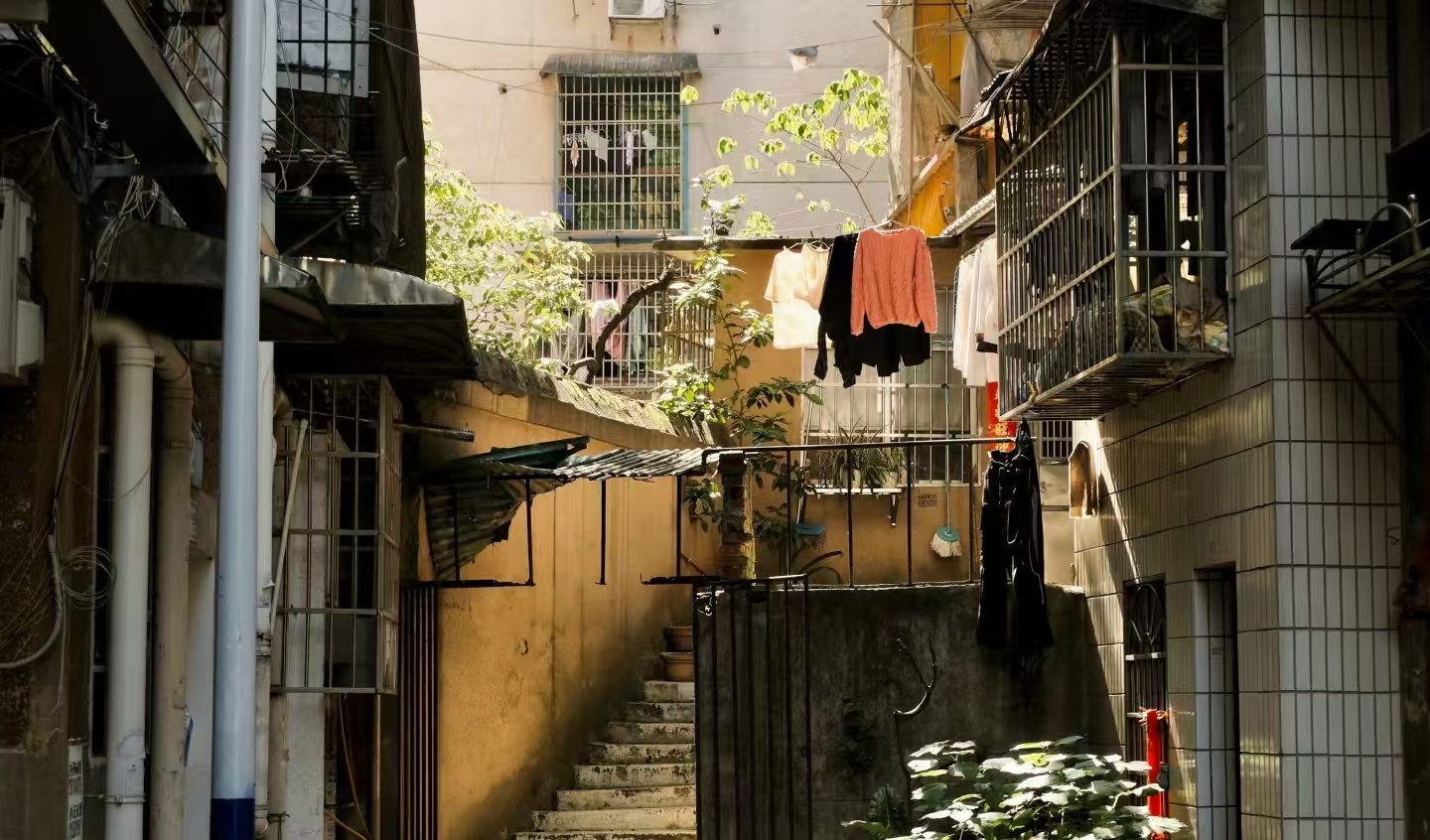
Changsha is one of China's fastest-growing cities — a capital of pop culture, livestreaming, and spicy food. But beneath the neon of Jiefang Road, the older city persists: courtyards, electric meters, iron balconies, and the people who inhabit them.
This series was shot between April and September 2026 across Tianxin, Kaifu, Furong, and Yuelu districts — on foot, without appointment.
SERIES I — STREETS & SPACES
The grammar of the ordinary
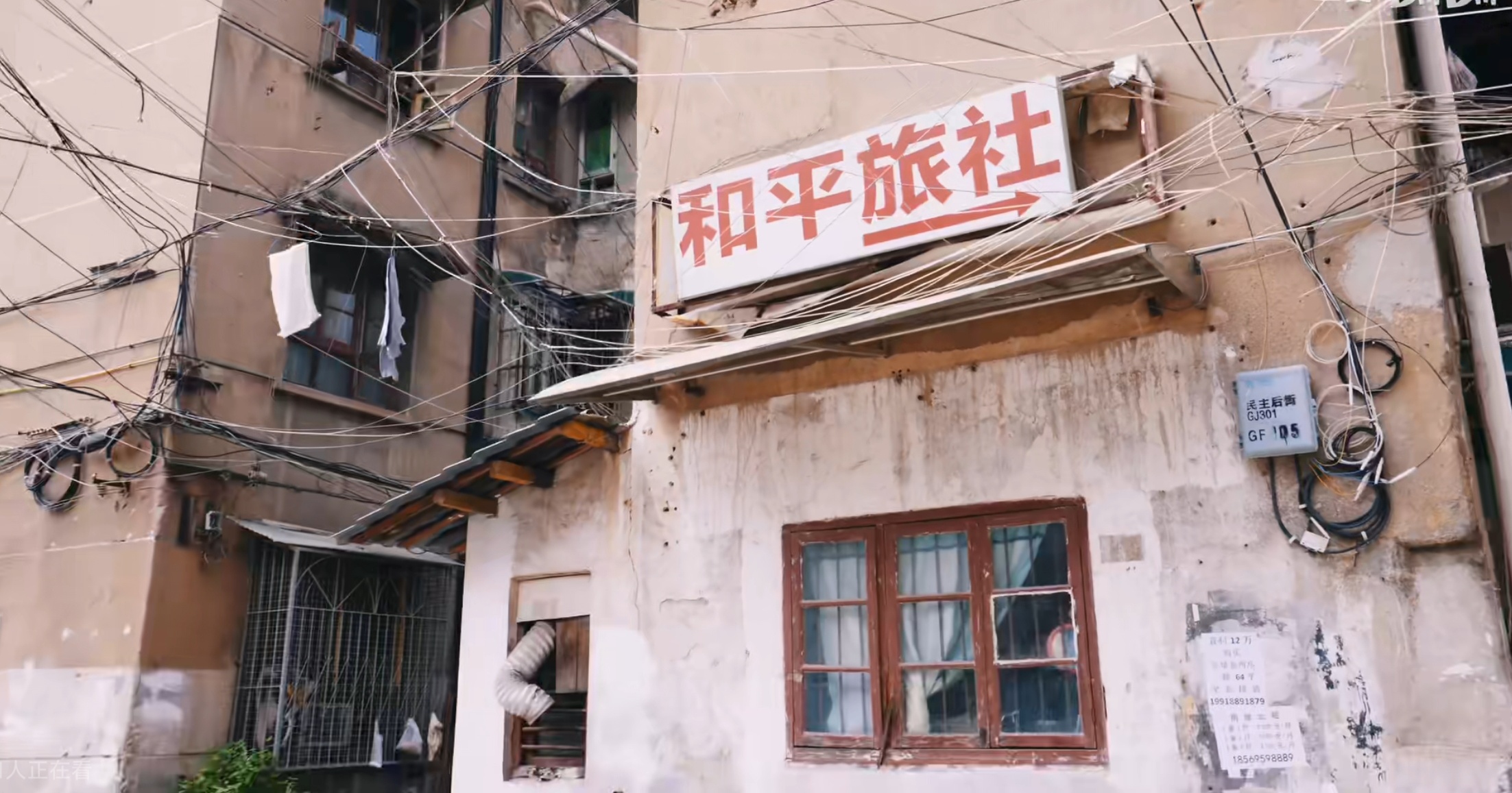
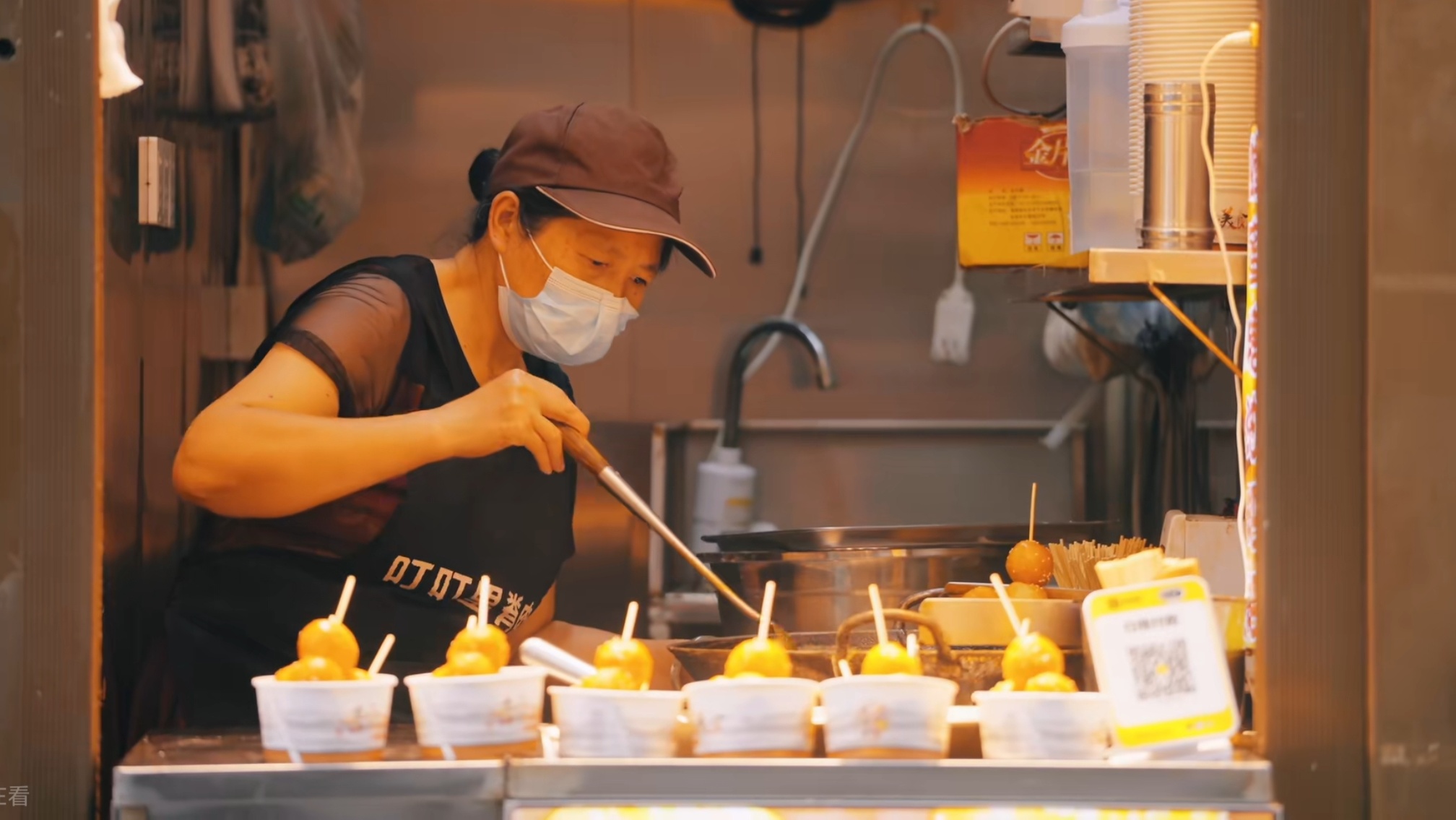
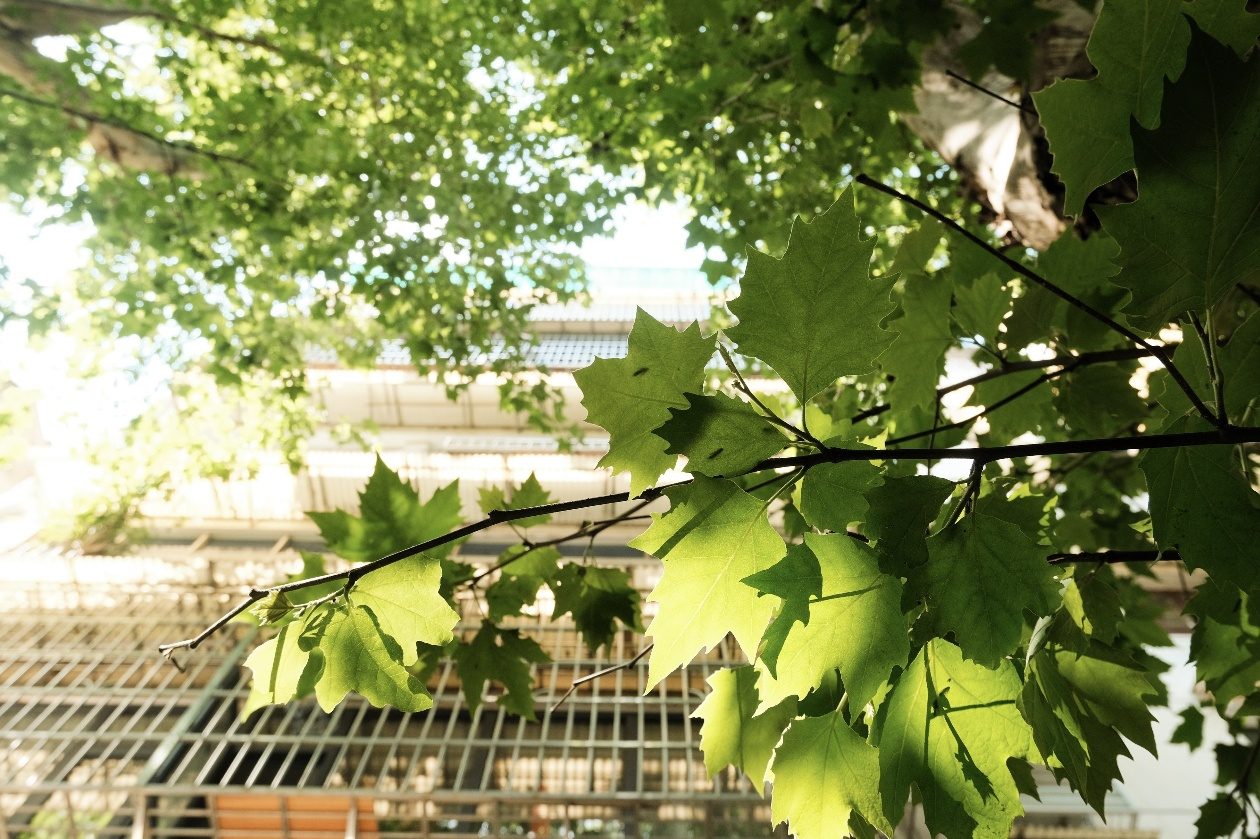
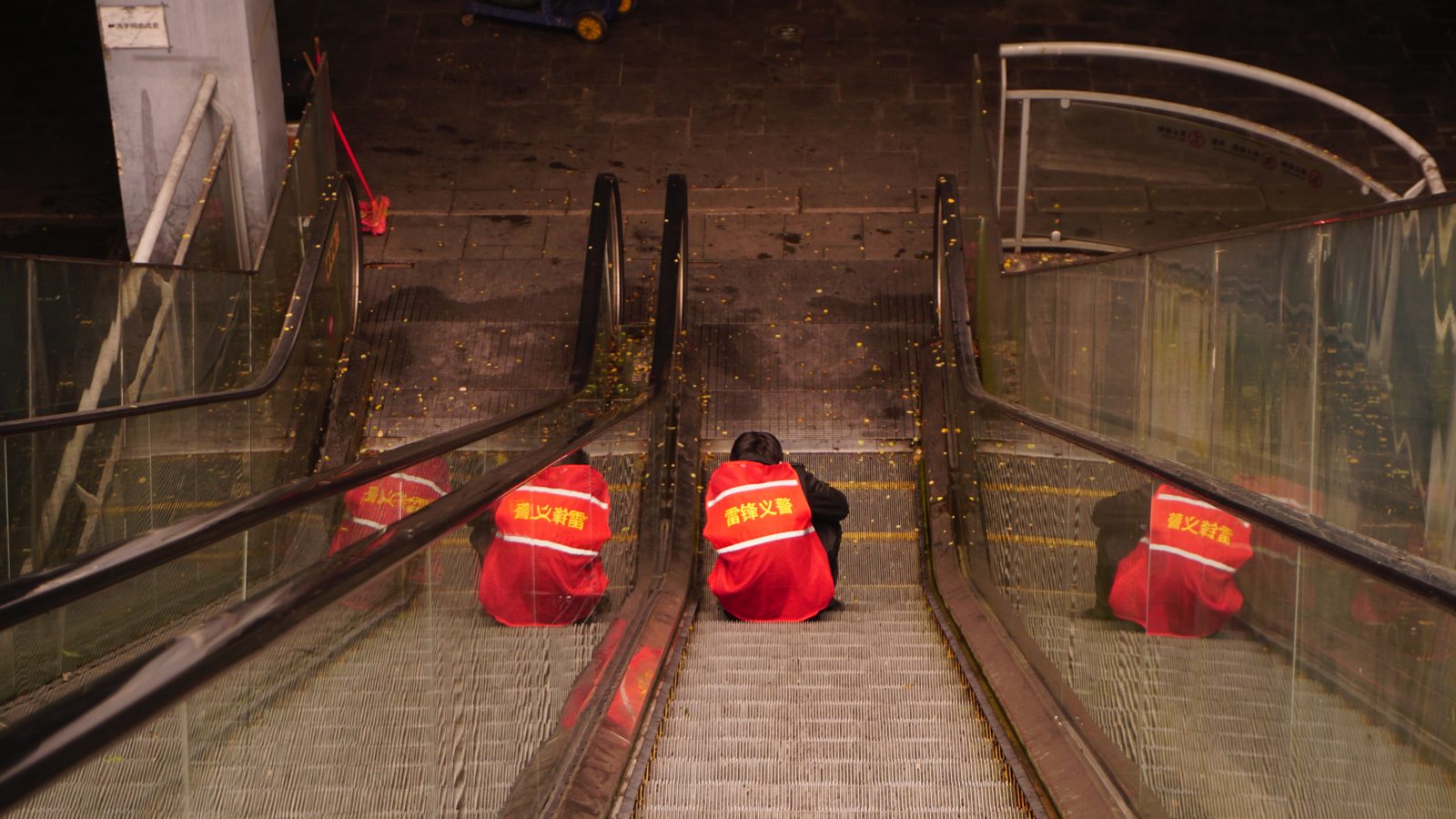
"The most interesting cities are the ones where something old and something new are occupying the same room, slightly uncomfortable with each other."
FIELD NOTES, CHANGSHA — APRIL 2026
SERIES II — PORTRAITS
People who have not moved
She eats lunch outside her stall on Taiping Street, where she has sold joss paper since 1991. Her lanyard is from a 2019 community health campaign she never returned.
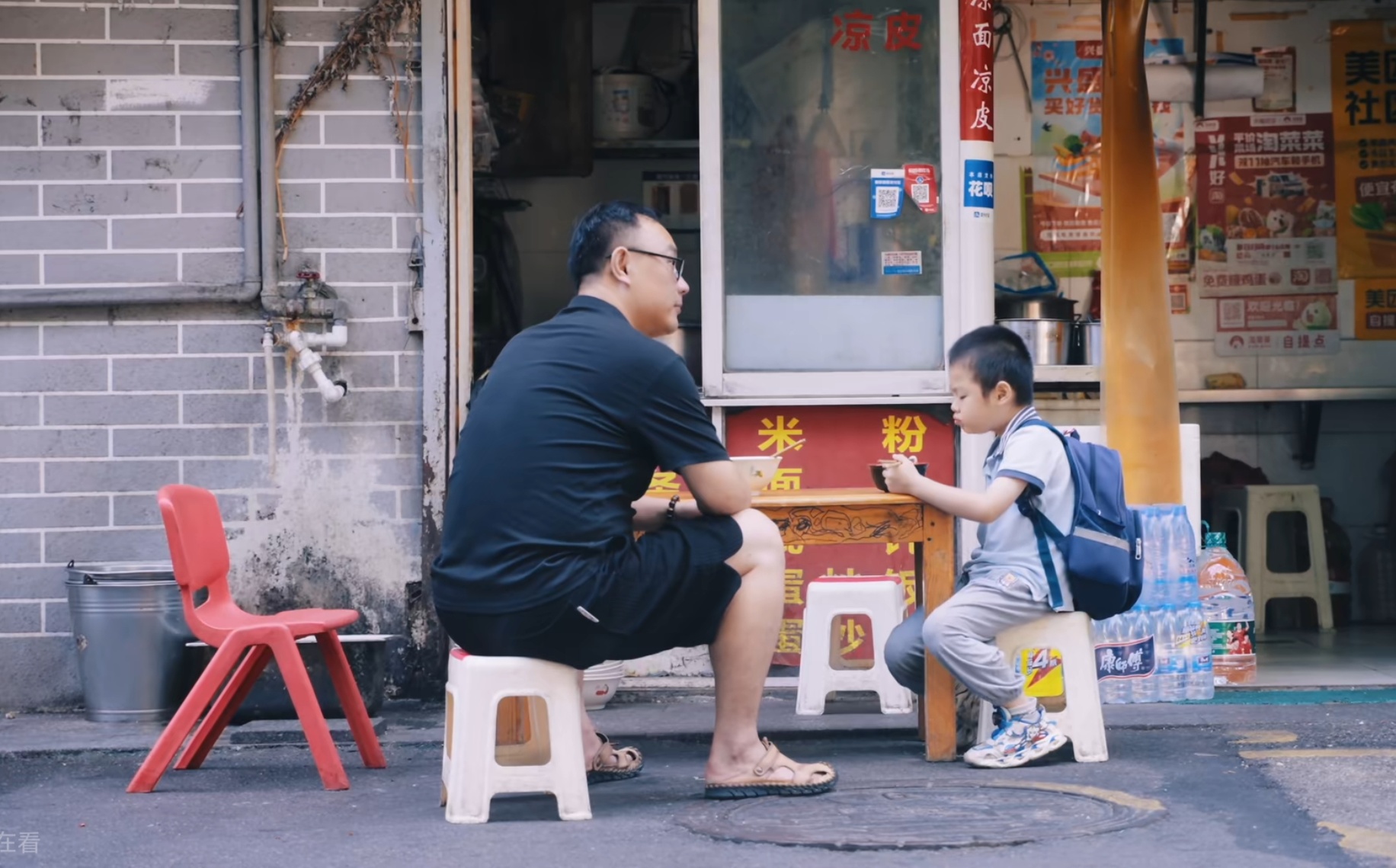
A child sits on a red lacquer bench in a teahouse, holding a remote control that belongs to the television above the counter. He is not watching it.
SERIES III — DETAILS
Texture at close range
An electric meter panel on the stairwell wall of a 1980s residential block. Below it, someone has chalked a phone number.
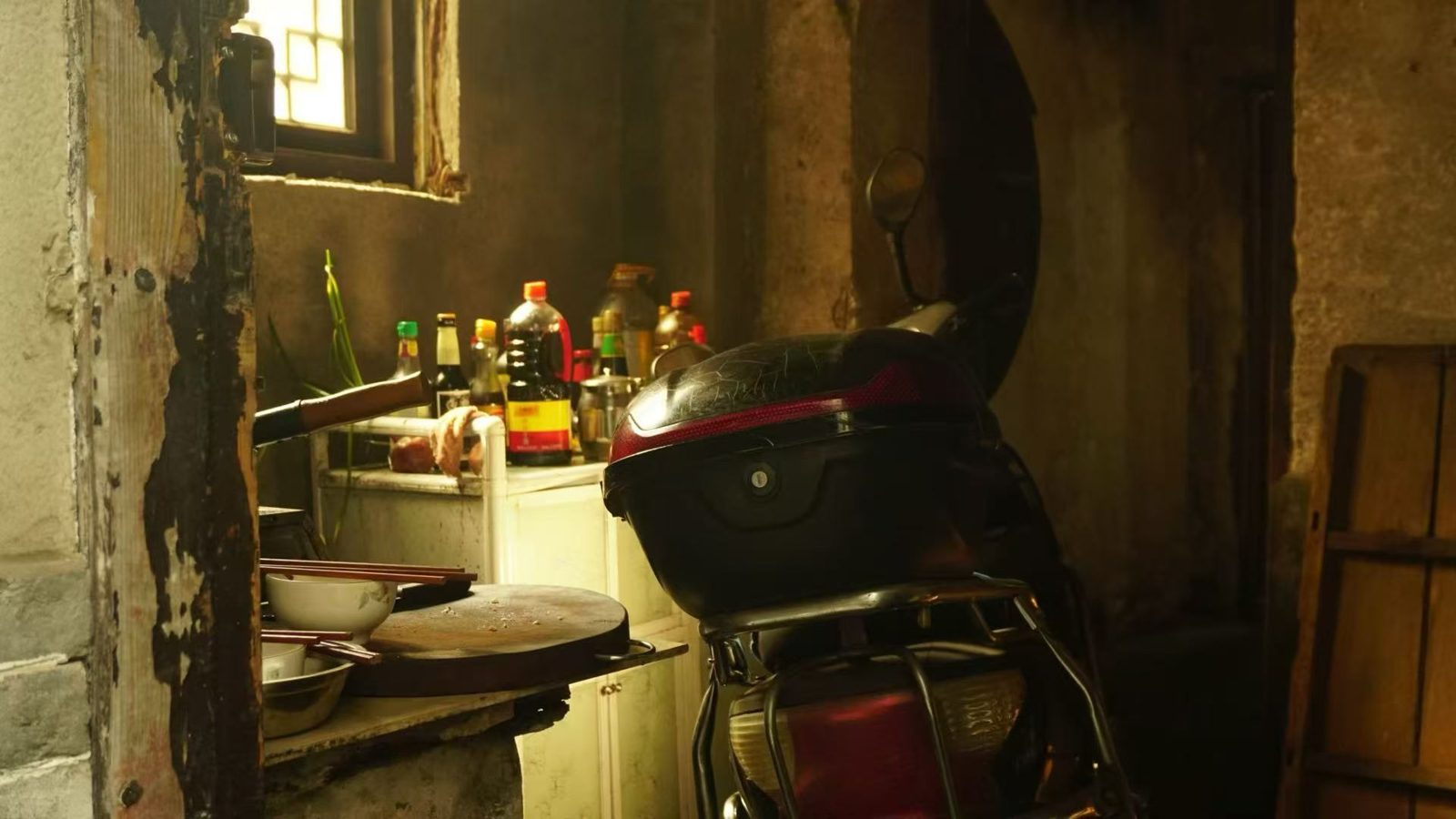
A kitchen and parking space share the same threshold. Soy sauce bottles and a motorcycle helmet occupy the same flat surface.
A ceramic sculpture of jeans holds a plant on a doorstep in the old city. The sneakers are painted on. The flower is real.
The alley remembers
everything
Kaifusi residential compound.
A sweater left out for three days.